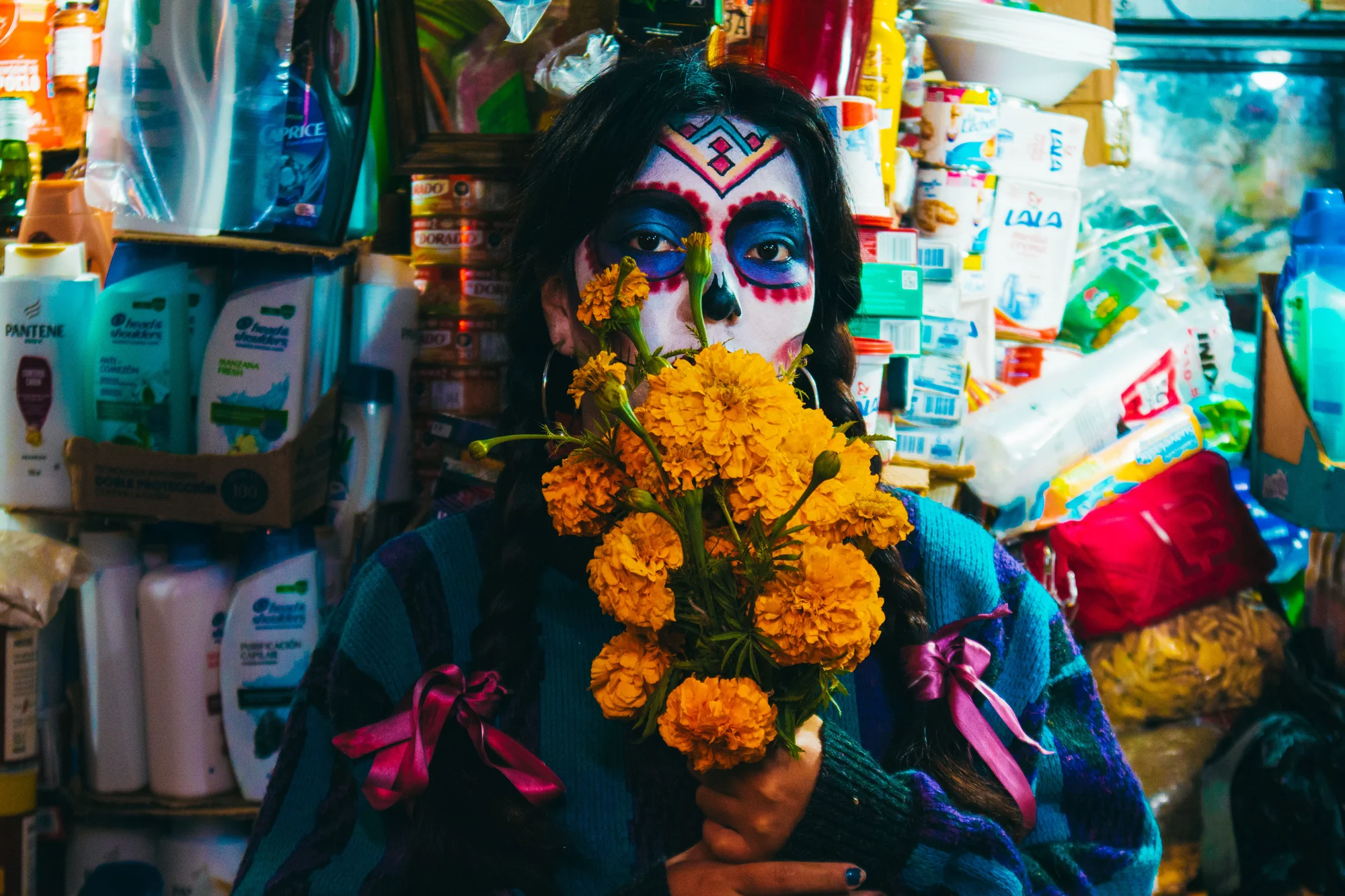
For most of the year, Toluca is a major industrial and administrative city west of Mexico City. But every October, its historic centre begins to change. Sugar skulls fill market stalls. Streets and plazas become performance spaces. Cemeteries open for night tours. Concert stages appear across the city, museums expand their programmes and traditional artisans take over the Portales at the heart of Toluca. By the time Día de Muertos arrives, the city is no longer simply hosting a festival. It has become the festival.
The 2026 Feria y Festival Cultural Alfeñique attracted more than 4 million visits between early October and November 2, according to the Municipality of Toluca. More than 1,500 activities took place across the programme, while major concerts alone attracted over 655,000 people. The economic impact was equally significant. The city estimates that the festival generated around $161 million (MXN 3 billion) across tourism, restaurants, shops, markets and other local businesses. At the centre of everything is alfeñique, a traditional sugar confection closely connected with Día de Muertos in Toluca.
What began as a local tradition around sweets and offerings has gradually developed into a much larger event platform combining gastronomy, concerts, art, heritage, public spaces and tourism. For the events industry, Toluca offers an interesting example of how a deeply local tradition can grow without losing the cultural identity that made it distinctive in the first place.
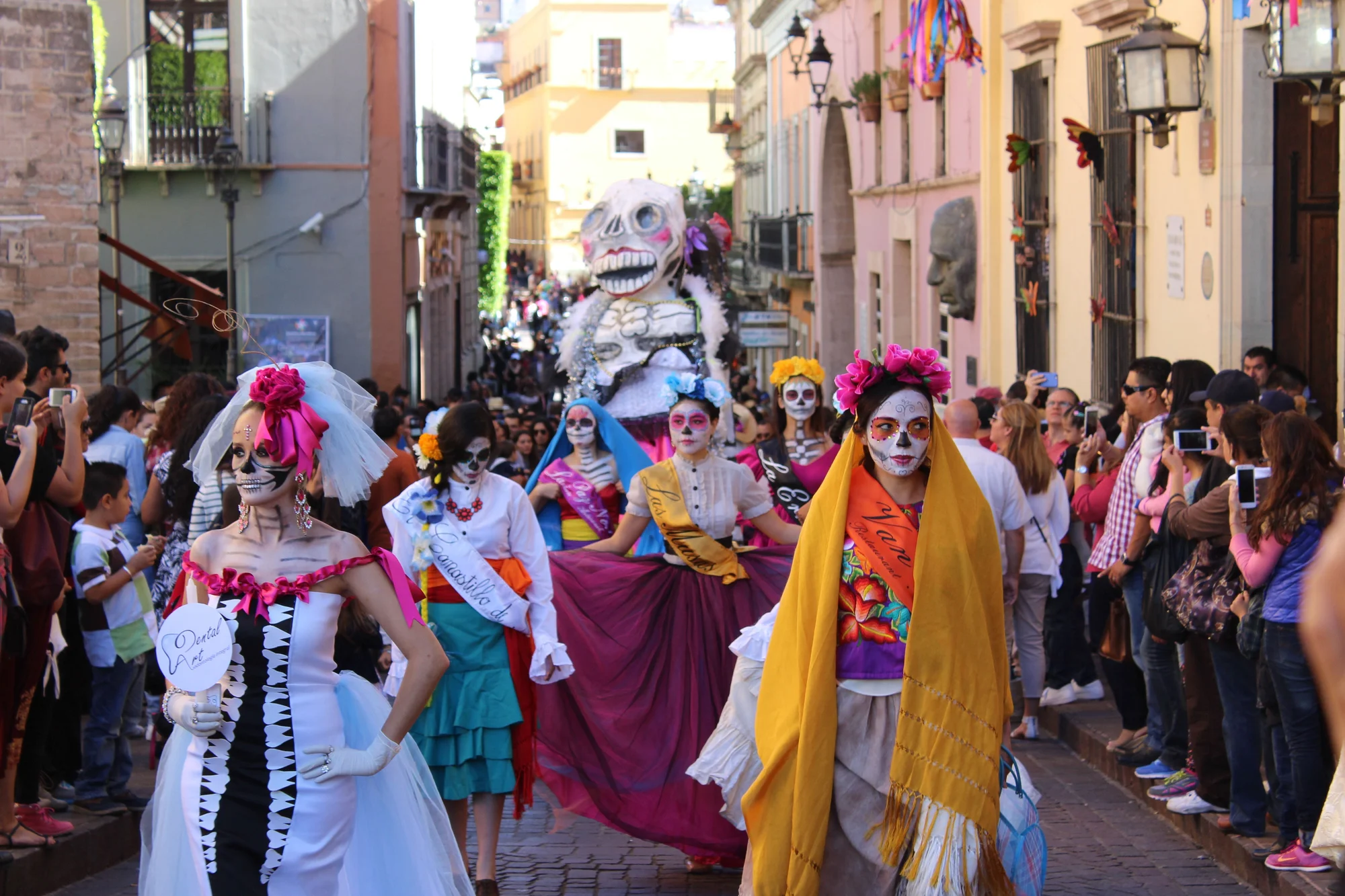
A Sugar Tradition Became The Centre Of The Festival
Alfeñique has a long history in Toluca. The confection is traditionally shaped into skulls, animals, coffins, crosses and other figures that form part of Día de Muertos celebrations and offerings. Records from Toluca trace the local production of alfeñique back to the 17th century. Over time, the craft became closely associated with the city's Día de Muertos traditions.
The modern Feria del Alfeñique was created to protect and promote that heritage. Today, artisans still remain at the centre of the event. The Portales of Toluca fill with stalls selling sugar skulls, alfeñique figures, chocolates, traditional sweets, crystallised fruits and other seasonal products. Eighty-four artisan stalls participated in the 2026 edition.
But the event surrounding them has grown far beyond a traditional market. Concerts, exhibitions, theatre, dance, workshops, cemetery tours, installations, gastronomy and public art now spread the experience across the city. This creates a useful balance. Visitors may come because of a major concert or a visually striking Día de Muertos installation, but the original craft remains visible throughout the event. Instead of replacing the tradition with entertainment, Toluca has built the entertainment around it.
A 36-Metre Quetzalcóatl Broke A Guinness World Record
One of the most visible moments of the 2026 festival came from the tradition itself. More than 100 alfeñique artisans worked together to create a 36.71-metre-long representation of Quetzalcóatl made from the traditional confection. Guinness World Records certified it as the longest alfeñique piece in the world. The installation was displayed at the Túnel de las Ánimas in Plaza González Arratia and quickly became one of the most photographed elements of the festival.
The record worked because it connected spectacle with authenticity. A giant installation can generate attention almost anywhere. In Toluca, however, the object itself was built around a craft that has been part of the city's identity for centuries. That gives the visual moment a destination connection. For cultural festivals trying to generate social media attention, this distinction is important. A spectacular installation may attract photographs, but one linked directly to local identity can also strengthen the image of the destination behind those photographs. Toluca reported that imagery from the city's Portales generated more than 115 million views during the festival period.
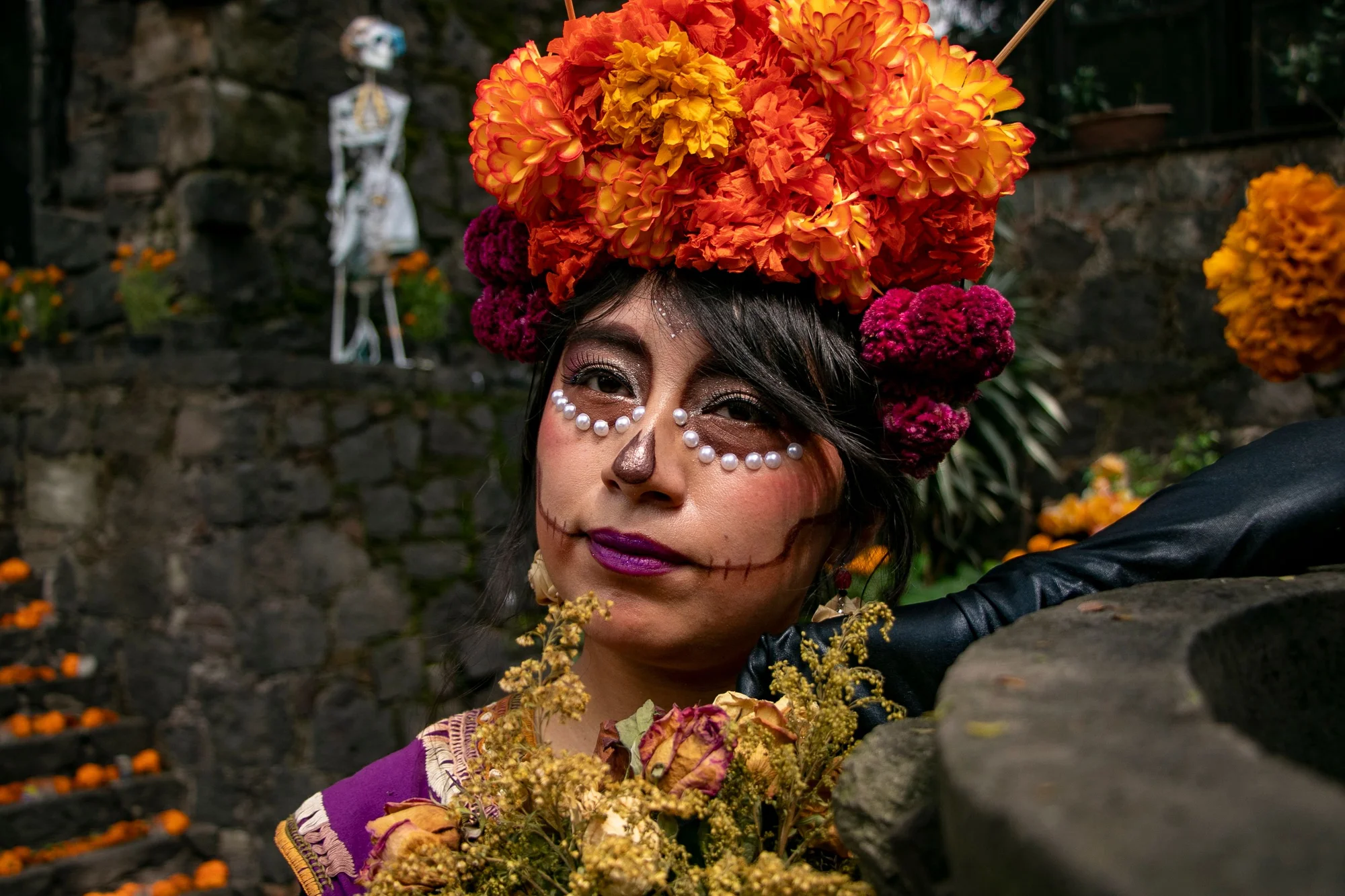
Concerts Brought Hundreds Of Thousands Into The City
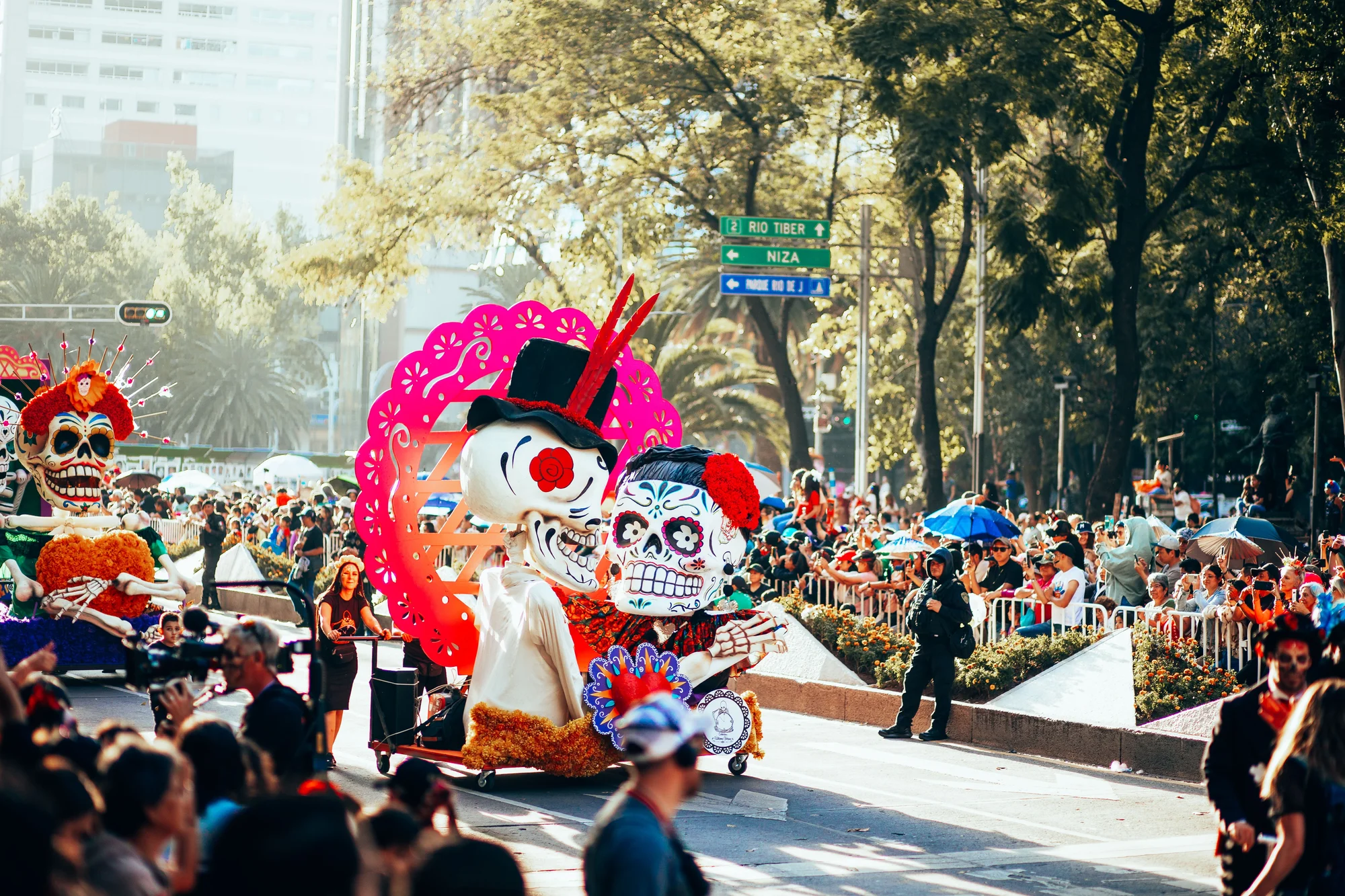
The traditional programme was supported by a much larger entertainment calendar. More than 655,000 people attended the festival's headline concerts. Caifanes alone attracted more than 120,000 people, while Los Tigres del Norte brought more than 100,000 to the final concert. Other large performances included El Trono de México and Los Alacranes Musical, El Haragán, Liran'Roll, Los Ángeles Azules and 31 Minutos.
The concerts gave Toluca a way to reach audiences far beyond visitors already interested in traditional crafts. This is where the festival becomes particularly interesting from an event strategy perspective. Heritage provides the identity. Entertainment provides scale. The two do not need to attract exactly the same audience. Someone travelling for a concert may also walk through the historic centre, visit the alfeñique market, eat at a local restaurant and encounter Día de Muertos installations during the same trip.
That allows one programme to support another. Rather than creating separate cultural, entertainment and tourism events, the city places them inside the same seasonal identity.
Hotels And Markets Felt The Impact
The festival's economic effect spread beyond the official event programme. Hotel occupancy increased by 35%, according to Toluca's post-event analysis. Average occupied rooms per night rose from around 1,420 under normal conditions to approximately 2,146 during the festival period. The city estimates that this created more than MXN 20 million in additional accommodation revenue.
Traditional markets also benefited. More than 343,000 buyers visited the 16 de Septiembre, Morelos and Benito Juárez markets during the festival, with average sales increasing by around 37%. Restaurants, shops, transport providers and other businesses were also included in the city's economic impact study. This is one reason citywide festivals can produce a different economic pattern from events held entirely inside a convention centre or stadium.
A closed venue concentrates spending around tickets, food and event services. A festival spread through existing streets and commercial areas allows visitor spending to move through businesses that operate throughout the year. Toluca effectively uses the historic city centre as part of its event infrastructure. The streets, plazas, markets and Portales are not simply around the festival. They are part of the venue.
Día De Muertos Gives Toluca A Destination Identity
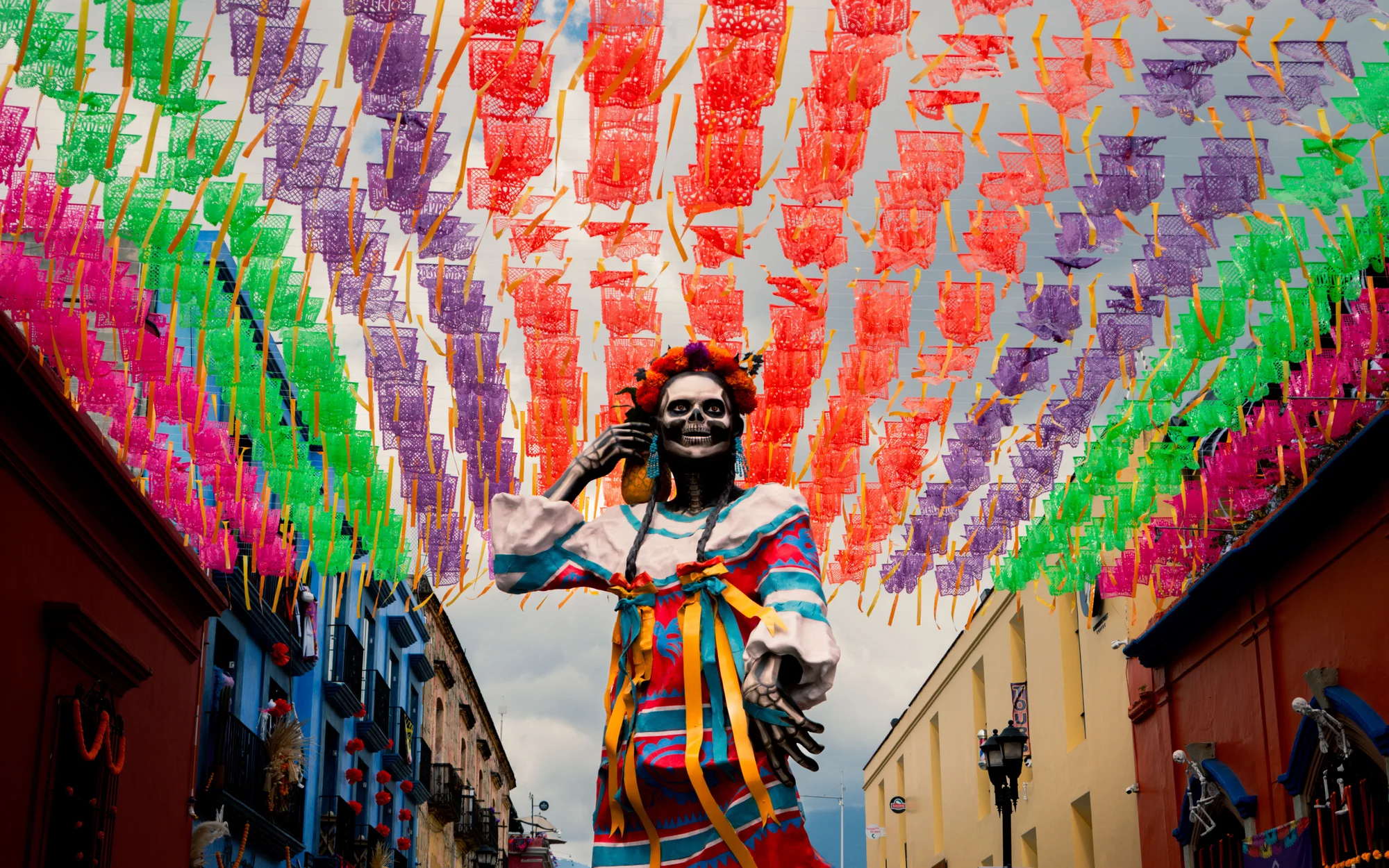
Mexico has no shortage of Día de Muertos celebrations. Mexico City stages enormous parades and public events. Oaxaca and Michoacán have internationally recognised traditions. Día de Muertos itself has become one of Mexico's strongest cultural images around the world.
That makes differentiation important. Toluca's answer is alfeñique. Rather than trying to compete by reproducing the same Día de Muertos experience offered elsewhere, the city is building around a specific tradition with a strong local connection. The sweets provide the visual identity. The artisans provide authenticity. Día de Muertos provides the wider cultural context. Concerts and public programming provide scale.
This combination gives the destination something it can own more clearly. It is also a reminder that successful destination events do not always begin with a new concept. Sometimes the strongest event IP already exists inside the city. The challenge is finding a way to expand it without removing the reason it mattered in the first place.