

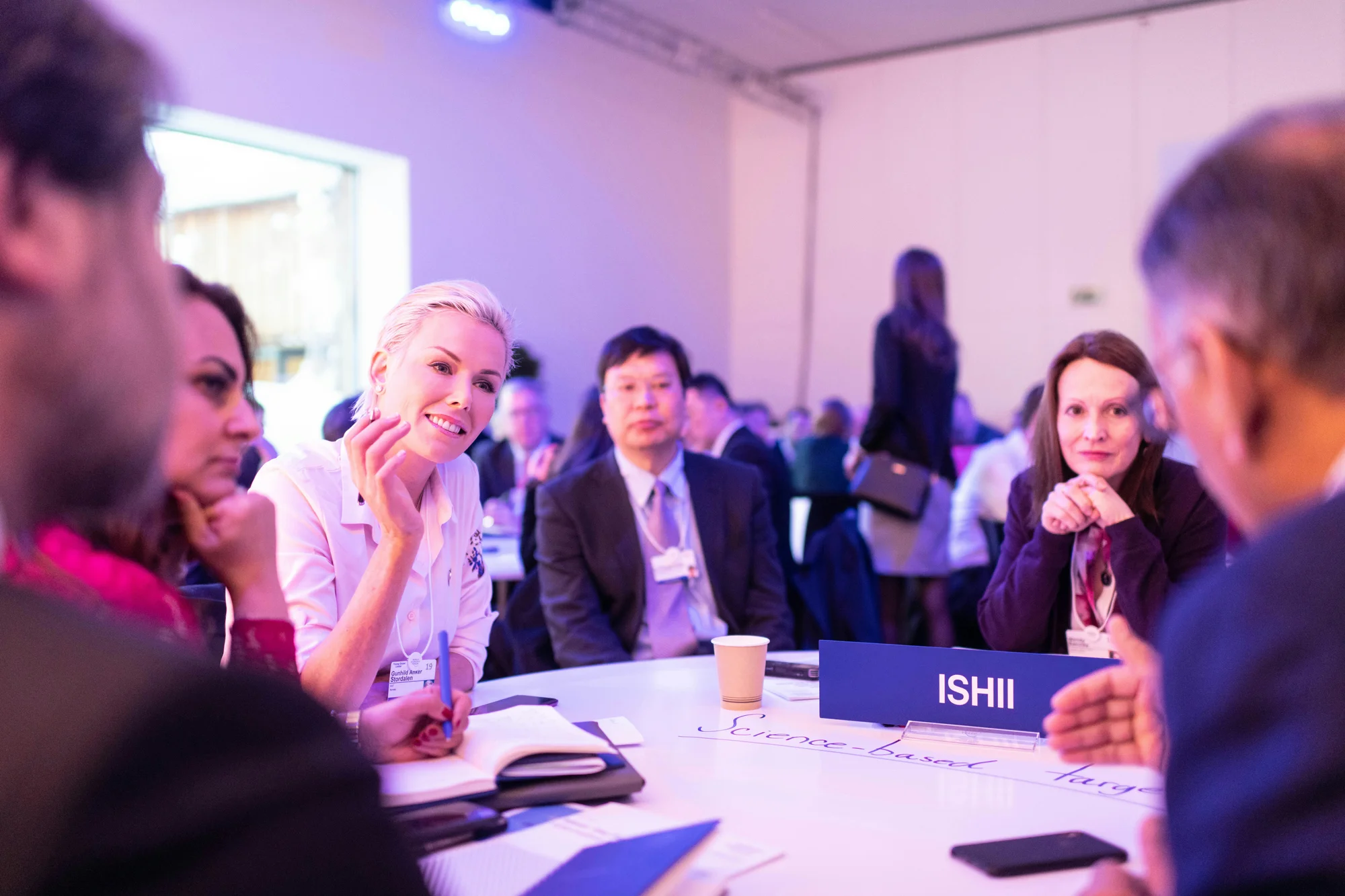
As the global meetings and events industry approaches 2027, the outlook is becoming more positive. Meeting Professionals International’s third-quarter 2026 research points to improving expectations among industry professionals, while also showing that priorities around how events are designed are changing.
Among respondents, 60 percent expect business conditions to improve over the next year. The share anticipating growth in attendance at live events has reached 61 percent. At the same time, budget pressure, changing participant expectations, and the need to generate more tangible outcomes are pushing organizers away from focusing on scale alone.
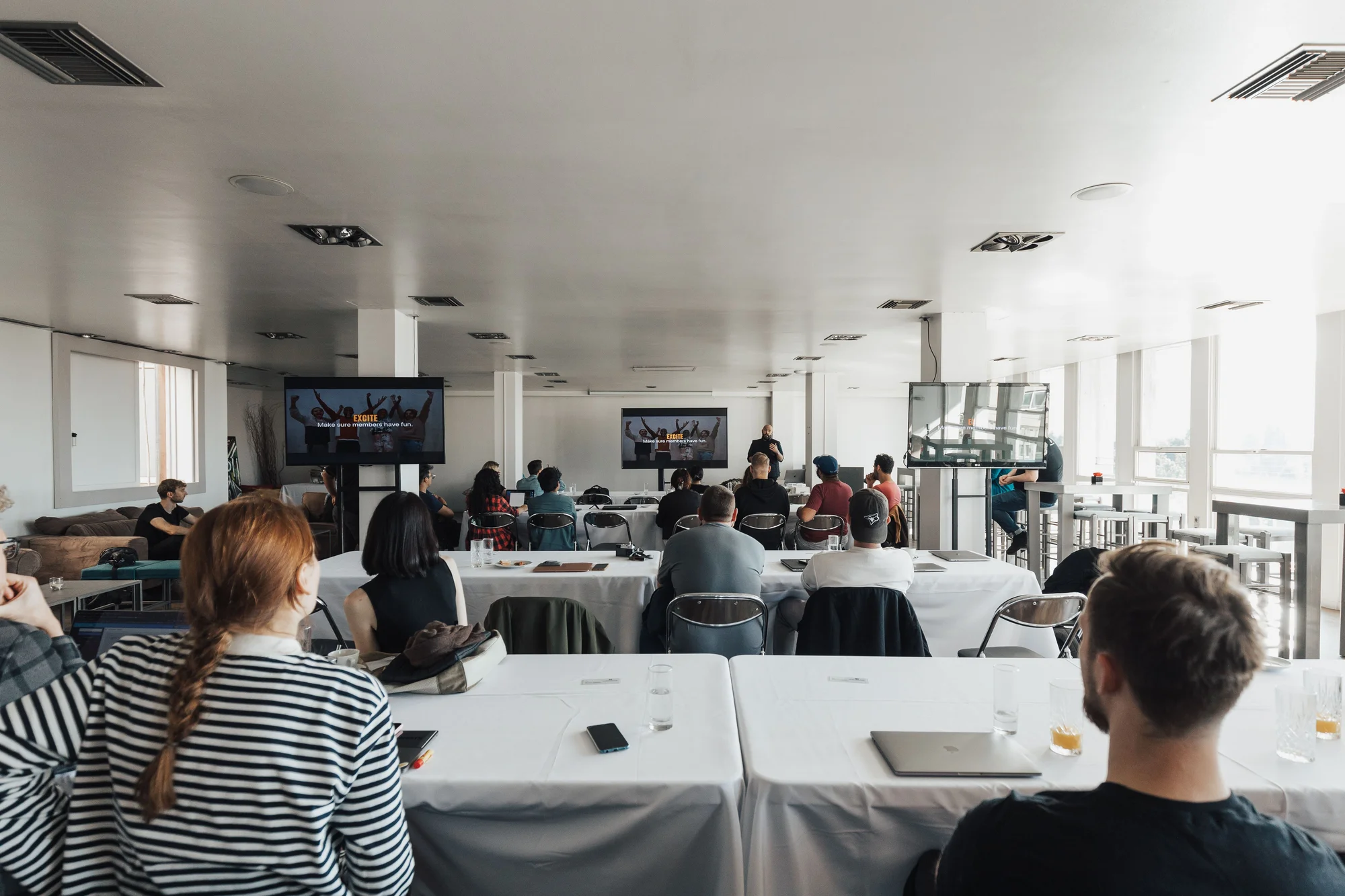
Growth Expectations Continue
Despite rising costs in recent years, companies and organizations continue to invest in face-to-face meetings. Expectations of stronger participant demand suggest that live events are maintaining their importance for corporate communication, business development, and professional networking. However, the idea that more attendees automatically mean a more successful event is weakening. Organizers are focusing increasingly on what participants actually do during the program and what outcomes they take away from the event.
This shift is redefining what growth means in the meetings industry. Alongside larger venues and longer programs, relevant content, meaningful connections between participants, and more efficient use of time are becoming part of how event performance is assessed.
Event Design Is Becoming More Important
One of the most notable findings in the research is the growing importance of purpose-driven event design. Seventy-three percent of respondents believe intentional and purpose-driven event design will be very important or critical to the industry over the next two years. This approach requires the entire event to be designed around a specific objective rather than simply being built around speakers and sessions. Who participants meet, what content they access, how actively they engage with the program, and what outcomes emerge after the event are increasingly being considered during the planning stage. As a result, event design is moving beyond decoration or stage setup and becoming a process directly connected to business objectives.
Participants’ Time Is Becoming More Valuable
Busy professional schedules are also influencing event formats. When a participant dedicates several days to a congress or corporate event, organizers are under greater pressure to provide clear value in return for that time. More targeted content, small-group meetings, scheduled business appointments, and formats that actively involve participants are gaining importance over long sessions and heavily packed programs.
This is helping events evolve from platforms that simply deliver content into environments where professional connections and business opportunities are created more deliberately.
Technology Is Moving Into the Background of the Program
A similar shift is taking place in event technology. Digital tools are no longer used only for registration systems or event applications. Their role is expanding into participant matchmaking, personalized program recommendations, data analysis, and post-event measurement.
The development of AI-supported systems in particular is allowing organizers to analyze participant behavior in greater detail and shape programs around different audience groups. At the same time, the aim of technology is not to replace physical events, but to make face-to-face time more efficient.
In 2027, the Question Will Not Be Only “How Many People Attended?”
MPI data suggests that while the events industry is becoming more optimistic about the period ahead, the way growth is measured is also changing. Attendance figures, event size, and program density remain important. However, bringing the right participants together, creating meaningful professional connections, and producing measurable outcomes are becoming increasingly important for organizers.
As the industry moves toward 2027, the central question may no longer be simply how to bring more people together. Competition is increasingly being shaped by how events can generate more value from the time participants choose to invest.