


Thailand is strengthening its position as a global wellness destination as new research values the country’s wellness economy at $46.5 billion. Data released by the Global Wellness Institute shows the market grew 8.8% in 2025, placing Thailand 26th globally and ninth in Asia-Pacific. Wellness tourism remains the largest part of that economy, generating $14.5 billion from approximately 17.5 million domestic and international wellness trips.
The figures were released around the 20th Global Wellness Summit in Phuket, which brought more than 400 delegates from 50 countries together between November 10 and 13. The event was co-hosted by the Tourism Authority of Thailand, Thailand Convention and Exhibition Bureau, Phuket Province and the Department of Thai Traditional and Alternative Medicine.

Wellness Growth Extends Beyond Spas
Thailand’s wellness market is increasingly broader than traditional spa tourism. Wellness real estate was the country’s fastest-growing segment in 2025, expanding 66.7% to reach $1.2 billion. The spa sector grew 19.6% to $2.3 billion, while healthy eating, nutrition and weight loss increased 14.4% to $10.7 billion.
Personal care and beauty reached $7.6 billion after growing 11.4%. The numbers show how wellness is becoming integrated across hospitality, residential development, food, healthcare and lifestyle rather than operating as a standalone tourism product. For hotels and resorts, that shift creates opportunities beyond adding spa facilities. Properties are increasingly combining preventive healthcare, longevity programmes, fitness, nutrition, sleep and mental wellbeing with traditional hospitality.
Thailand Targets High-Value Wellness Travellers
The Tourism Authority of Thailand is positioning wellness as part of its strategy for attracting higher-value international visitors. Its current approach connects modern medical expertise and science-based wellness with traditional Thai practices including massage, herbal therapies and Buddhist traditions. TAT Governor Thapanee Kiatphaibool described the strategy under the concept “Healing is the New Luxury.”
The objective is to develop experiences that respond to growing demand for health, longevity and wellbeing while spreading economic benefits across tourism businesses and local communities. Thailand is also pursuing a 10-year Medical & Wellness Hub strategy. The programme targets 68 billion baht in investment and aims to position the country as an international centre for medical and wellness services. That creates another layer for hospitality development as resorts, clinics and wellness operators increasingly compete for international travellers seeking longer and more specialised stays.
Phuket Summit Connects Wellness With the Events Industry
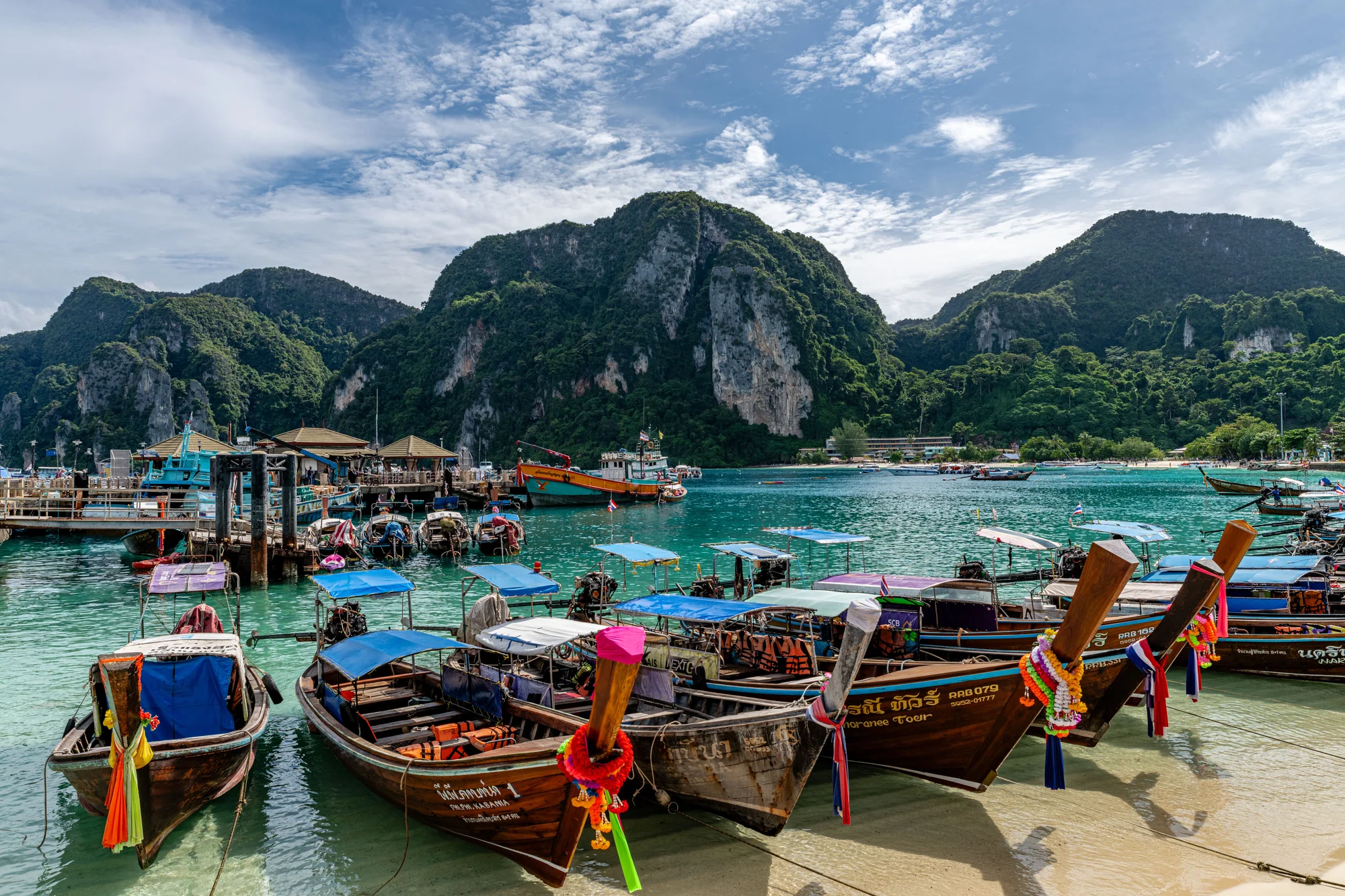
Hosting the Global Wellness Summit also demonstrated how wellness tourism and business events can support each other. More than 400 executives, investors, medical professionals, researchers and hospitality leaders from 50 countries travelled to Phuket for the four-day event. The summit focused on areas including longevity, preventive healthcare, wellness tourism, real estate, technology and investment.
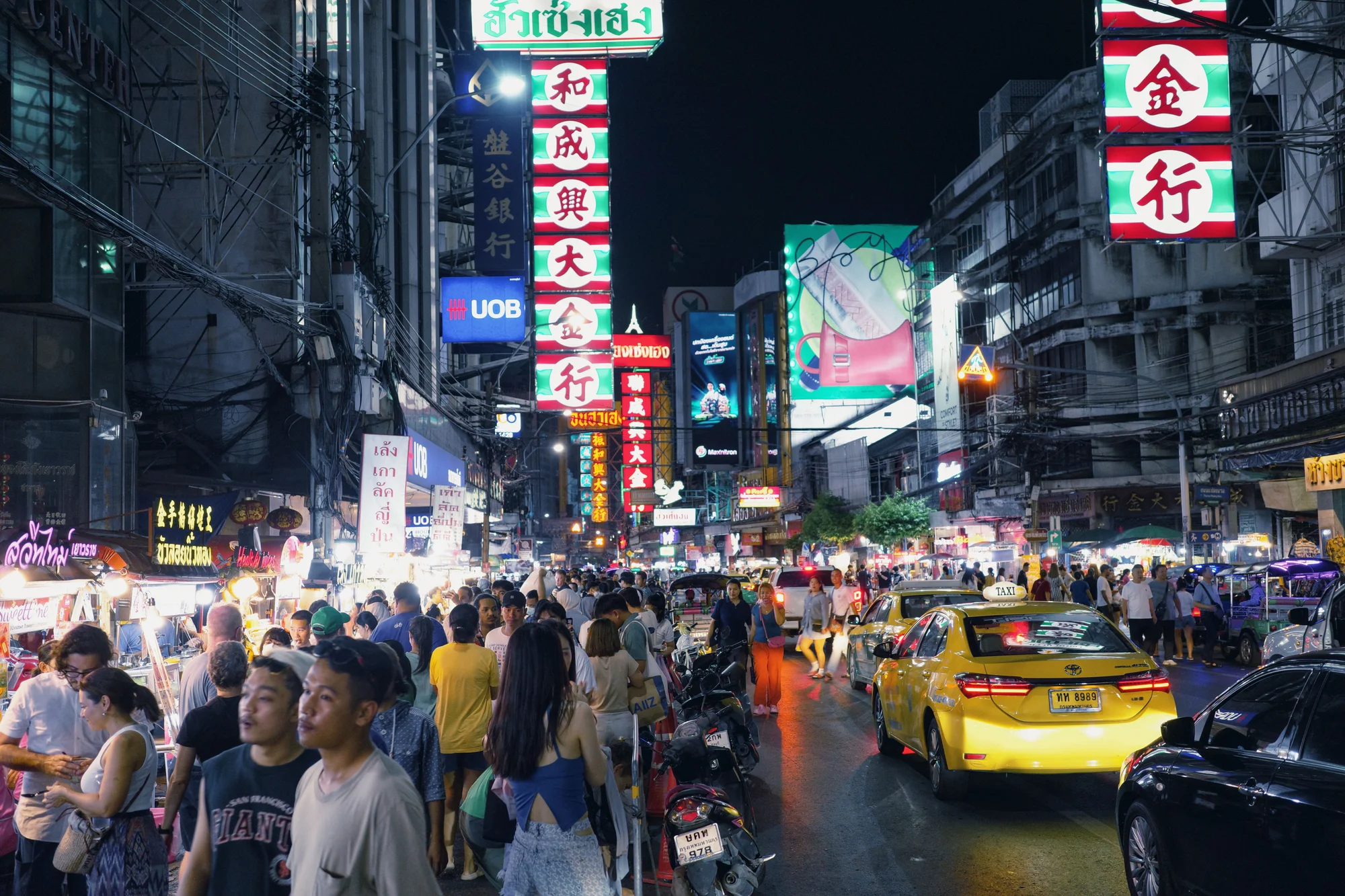
For Thailand, hosting this audience created an opportunity to demonstrate its wellness infrastructure directly to many of the people shaping investment and development across the sector. The country will continue that international events strategy in 2027. Bangkok has been selected to host the Third WHO Global Summit on Traditional Medicine from November 10 to 12, bringing policymakers, researchers and health professionals together around evidence-based traditional medicine and its integration into healthcare systems.
Wellness Is Becoming a Broader Hospitality Economy
The growth of Thailand’s wellness sector reflects a larger shift in global tourism. Travellers are increasingly looking beyond traditional relaxation products toward longevity, preventive health, nutrition and experiences built around longer-term wellbeing. The global wellness economy reached $7.5 trillion in 2025 and is projected to grow to $10.9 trillion by 2030.
For destinations, that creates competition not only between spas and resorts but between entire wellness ecosystems. Thailand already combines luxury hospitality, medical services, traditional healing practices, gastronomy and established tourism infrastructure. Its next challenge is connecting those strengths into products that attract international travellers, investors and professional events throughout the year. With wellness tourism already generating $14.5 billion and the wider wellness economy reaching $46.5 billion, the sector is becoming much more than a niche within Thai tourism. It is increasingly part of the country’s broader hospitality, investment and international events strategy.