According to the report published by Cavendish Maxwell, hospitality and aviation were the sectors most affected by rising regional geopolitical tensions and related airspace disruptions. In the first five months of 2026, passenger traffic at Dubai International Airport (DXB) fell 31.7 percent year-on-year to 26.6 million. Hotel occupancy rates across the city also declined by 30.3 percent to 56.4 percent.
Luxury Hotels Experienced the Smallest Decline
According to the data, luxury and upscale hotels were the least affected hotel types by regional conflicts, as they are more dependent on international long-haul travelers. Despite the decline in occupancy rates, the “average daily room rate” was kept under control, declining 7 percent year-on-year.
The report highlighted that a similar situation was seen in Abu Dhabi, Ras Al Khaimah and Fujairah, where occupancy rates varied but average daily room rates remained resilient.

The report stated that the hotel market is expected to recover in the second half of 2026. With international air connectivity improving and the winter tourism season supporting visitor demand, the market is expected to gain momentum from the fourth quarter onward.
Conflicts Also Affected Aviation
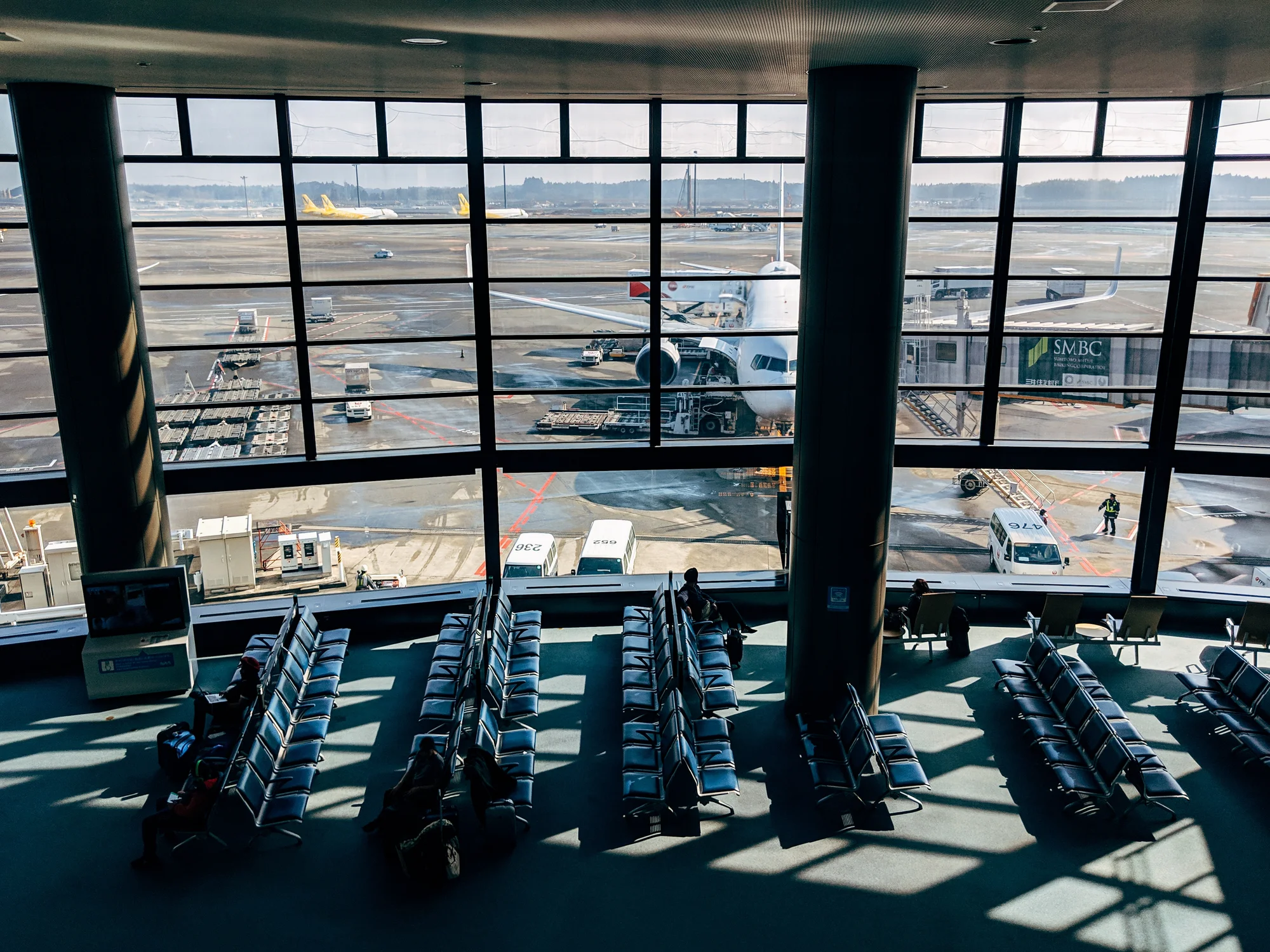
Passenger traffic at Dubai International Airport (DXB) fell 31.7 percent year-on-year to approximately 26.6 million passengers in the first five months of 2026. The decline was largely due to regional airspace disruptions caused by rising geopolitical tensions in the region, as well as seasonal travel patterns affecting international passenger flows. Many international airlines also temporarily suspended or reduced their services to Dubai, with some routes expected to resume later in 2026.