


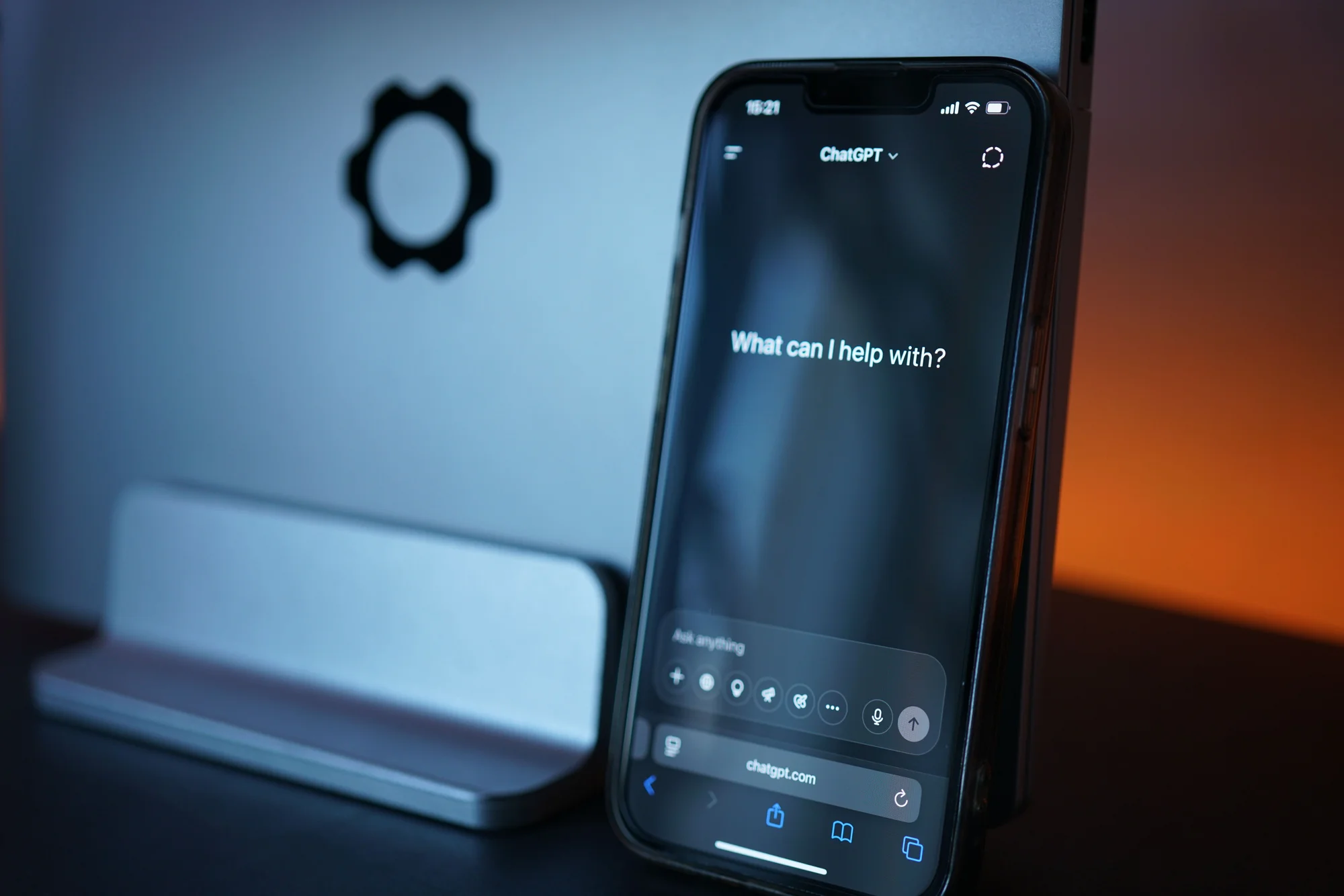
Artificial intelligence is starting to become a new discovery channel for the events industry, influencing how both attendees and exhibitors decide which conferences and trade shows are worth considering. Freeman’s Q4 2026 Pre-Event Trends Report found that 21% of attendees have already used an AI tool to discover professional events relevant to their industry or role. Exhibitors are moving even faster. One in four, or 25%, have used AI to identify conferences and trade shows where their organisation could exhibit or sponsor.
The figures remain below traditional discovery channels such as colleagues, professional organisations and industry networks, but Freeman’s research suggests AI is already influencing decisions once people begin using it. Among attendees who have used AI for event discovery, 82% said it was useful for creating a shortlist of relevant events. Some 65% considered it more effective than other options for finding events they could attend.
More importantly, 53% said AI had changed their perspective on which professional events were worth considering. The report is based on a September 2026 survey of 3,459 attendees and exhibitors, including 2,272 attendees and 1,187 exhibitors.
Exhibitors Are Also Using AI to Decide Where to Invest
The effect is similarly visible on the exhibitor side. Among exhibitors that have already used AI for event discovery, 90% said it was useful for building a shortlist of relevant conferences and trade shows. Some 63% said AI was more effective than other options for identifying events where their company could exhibit or sponsor.
Another 52% said using AI had changed their view of the events their organisation could participate in. That finding is particularly important because exhibiting requires a much larger financial commitment than simply registering as an attendee. Companies may need to consider booth costs, travel, accommodation, staffing, sponsorship, production and logistics before deciding whether an event deserves part of their annual budget.
AI is therefore entering a decision process that has traditionally depended heavily on industry reputation, previous experience, recommendations and direct sales communication from organisers. It is not replacing those channels, but it can influence which events enter the consideration set in the first place. An event that is clearly represented in AI-generated recommendations could therefore reach an exhibitor that was not previously aware of it. The opposite is also possible. If information about an event is incomplete, difficult to find or inconsistent across the web, it may never appear among the options being presented.
Traditional Discovery Still Leads
AI has not replaced human recommendations. Freeman found that attendees are still most likely to discover events through people and organisations they already trust. Colleagues and peers, vendors and suppliers, professional organisations and related industry events remain important discovery sources. The event website itself also continues to play a major role.
But AI adds a new layer between these sources and the final decision. Instead of researching every event individually, a prospective attendee can ask an AI tool to recommend major conferences in a particular sector, compare several events or identify those most relevant to a specific professional goal. That process can reduce a long list of possible events to a smaller number worth researching further.
For organisers, this means the competition for visibility is no longer limited to search engine rankings, email campaigns, social media and industry publications. An event also needs to be understandable to the AI systems people are increasingly using to organise information.
Event Websites May Need to Become AI-Readable

Freeman describes AI as a new gatekeeper in the discovery process. The report argues that organisers should make core event information easy for AI systems to find and understand. Basic details such as dates, location, pricing, speakers and programme information should be clearly available as text on event websites rather than being hidden only inside images or downloadable documents.
Detailed exhibitor, session and speaker information can also help AI tools understand what an event actually offers. That becomes particularly important when users ask more specific questions. Someone may not search simply for “technology conferences in Europe.” They may ask for an event where they can meet suppliers in a particular field, attend sessions on a certain topic or connect with professionals working in a specific role.
The more clearly an organiser explains those elements online, the more information an AI system has available when answering that question. Freeman also recommends creating content around the questions potential participants are likely to ask, while keeping important information consistent across industry media, partners, social platforms and other credible external sources. For organisers, this introduces a new form of event marketing alongside traditional search engine optimisation.
Organisers Do Not Necessarily Need Their Own AI Tool
The research also suggests that event companies may not need to build expensive AI platforms themselves. Freeman found that attendees generally prefer using AI tools they already know. When asked which type of AI they would prefer when preparing for an event, 40% selected familiar tools such as ChatGPT, Claude, Gemini or Perplexity. Only 13% preferred an AI tool created specifically for the event.
This shifts the challenge for organisers. Rather than building another platform that attendees need to learn, organisers can focus on making their existing event information accessible and detailed enough for external AI systems to use accurately. There is also growing interest in using AI after an event has already been selected.
Two-thirds of attendees said they would like AI to play some role in helping them prepare for an event. Potential uses include identifying exhibitors to visit, recommending relevant sessions, building personalised schedules and highlighting experiences that should not be missed. The discovery stage could therefore be only the beginning of AI’s role in the attendee journey.
Event Discovery Is Becoming Another Marketing Battleground
For decades, event discovery has depended on a familiar group of channels: industry associations, colleagues, trade publications, email marketing, search engines and recommendations from previous participants. Those channels remain important.
But Freeman’s data shows that AI is beginning to sit alongside them. The change matters because AI does more than direct someone to an event website. It can compare alternatives, summarise programmes and recommend which events appear most relevant to a particular objective. That gives AI systems a growing role in shaping the shortlist before an organiser has any direct contact with the potential attendee or exhibitor.
At 21% of attendees and 25% of exhibitors, AI-assisted event discovery is not yet the dominant behaviour. But the influence among people already using it is much stronger than those headline numbers suggest. More than half of AI-using attendees and exhibitors say the technology has already changed which events they consider.
For organisers, that creates a new visibility question: not only whether potential participants can find an event through Google, social media or an industry publication, but whether an AI system understands the event well enough to recommend it when someone asks where they should go next.